
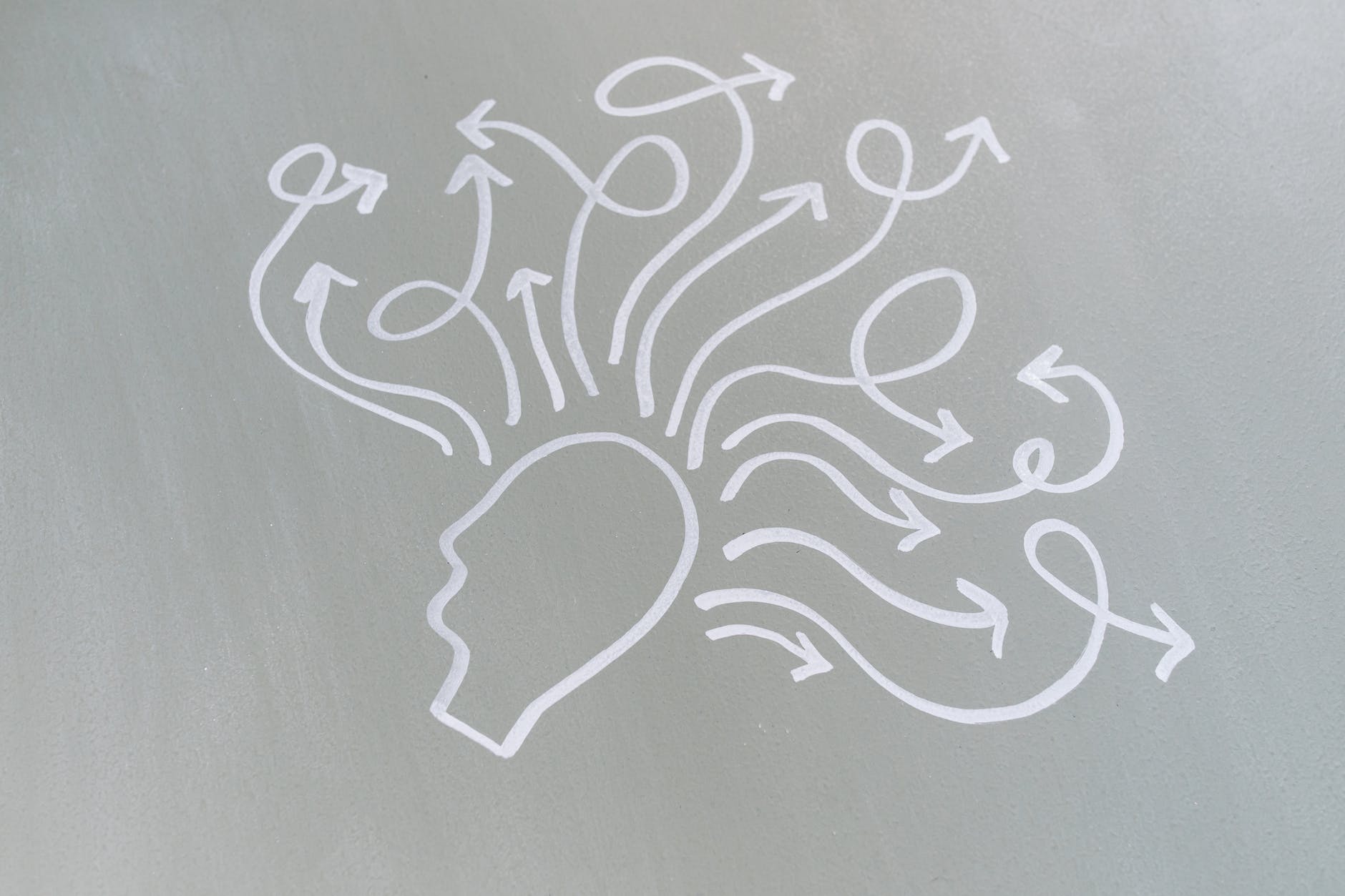
Last week, my daughter came running in, super excited, like she had won a big prize. I worried this wasn’t just her being happy about school; it might be her bipolar disorder acting up again.
Bipolar disorder makes people have really strong mood changes. When kids, are really up, it can mess with how they see the world, hurt their schoolwork, and even make them act dangerously. So, that happy look in my daughter’s eye could actually be a warning sign.
Here, let’s talk about mania. Let’s try to understand what mania looks like in kids and why it’s important to get a doctor’s advice if you’re worried.
Take note that this is just a sharing of my experience dealing with my kids’ mental health issues and a few notes from health organizations. This is not, in any way, something you should use to self diagnose or to diagnose others. If you do notice some of the signs listed here as present in you or your loved ones, always consult a doctor.

What is mania?
Mania makes people feel super happy, full of energy, and really great. But it’s not just a regular happy feeling; it’s so strong that it can mess up your day-to-day life. This strong happy feeling can last a whole week and mess up everything, like work and friendships.
Dr. Ken Duckworth, an expert in mental health, says you can’t say someone has bipolar disorder without seeing mania in them. During mania, people think really fast, talk a lot, take big risks, and don’t sleep much. Recognizing it early is important to getting the right treatment.
After feeling really high and happy, people often feel really down and sad. Family and friends might see these big mood changes before the person feeling them does. It’s very important to get medical help for it. Treatment usually includes medicine and talking to a therapist.

The emotional highs and lows
Understanding mania is like understanding a super-fast roller coaster, especially when it’s your kids. As a parent, I see that when my daughters are manic, they spend a lot of money on stuff.
Last Christmas, my younger daughter was really up and bought her brother a guitar and her sister some records. Another time, she bought yarn to make a blanket but never finished it. My older daughter buys video games online, spending a lot of money on one and then another, even if she hasn’t finished playing the first one.
When my younger daughter is really up, she talks a lot and is super loud, like she wants to fill the whole room. My older daughter doesn’t talk as much but will make really loud happy noises.
The big thing is how different they act when they’re really up compared to when they’re really down. When they’re up, they act like they’re the best ever, and you might think they’re showing off. But it’s actually a sign of their condition. When they’re down, they feel really, really bad about themselves.
It’s really tough to see, and it’s very important for parents to know these signs. Acting early is really, really important.

Recognizing the signs
It’s important to know what mania looks like to get medical help in time. Organizations like the World Health Organization and Health.com list signs like:
- Elevated Mood or “Expansive” Mood: A persistent and abnormal increase in mood, often accompanied by irrational goal-directed activities. This isn’t a fleeting mood uplift, but a sustained emotional high.
- Increased Energy and Activity: A significant uptick in energy levels that results in restless behavior and can disrupt sleep patterns. According to Health.com, individuals with mania “often don’t need any sleep at all.”
- Extreme Talkativeness: Health.com refers to this as “pressure of speech,” indicating a torrent of rapid and loud speech, almost as if the person can’t get their words out quickly enough.
These signs are different from normal mood changes or energetic behavior. If you or someone you know shows these signs, talk to a doctor right away.
The thin line between information and self-diagnosis
Feeling really up or really down are key signs of bipolar disorder, and these feelings can be different for everyone in how long they last or how strong they are. Reading about it can help, but it’s not the same as getting checked by a doctor. This article is just a guide to give you some ideas on how to treat these feelings. But for a true check-up and the right treatment, you need to see a healthcare provider.
How mania is often treated
According to big health organizations, a big worry during a really “up” mood is that the person might do risky things that could change their life in a bad way.
Studies say people with bipolar disorder are much more likely to think about suicide than others. Doctors usually give medicine to calm down the extreme mood. Then they give another medicine to help keep moods stable in the long term. Some other medicines for mood need to be used carefully because they could make things worse.
Medicine is important, but talking to a therapist and making good life choices also help a lot. This could mean getting good sleep and reducing stress to help avoid extreme moods. Therapy helps you understand yourself better, build good habits, and take your medicine the right way.
How our family copes
Living with a family member who has bipolar disorder has an impact on everyone in the family, not just the person diagnosed. This is something I’ve seen firsthand, as both my daughters have been living with the condition for over five years. We’ve had to navigate many ups and downs together, and this journey has been made even more challenging by external factors like the COVID-19 pandemic. The pandemic made it difficult for us to get medical help or renew medications, which set us back in several ways.
Despite these setbacks, we’ve gained valuable experience over the years. My daughters have learned how to manage their symptoms better, becoming more aware of what they need to do to maintain their well-being. They also have their outllets: one writes, the other plays online games.
When we notice the early warning signs of either a manic or depressive episode, it’s now easier to persuade them to consult their psychiatrist or seek other professional help if necessary.
Our years of experience have also made us much more attentive to potential triggers that could lead to mood swings in my daughters. By identifying these triggers, we can proactively avoid situations that might worsen their condition. This vigilance has become an essential part of our family’s strategy to manage bipolar disorder effectively.
Navigating the terrain of mania: A parental compass
Understanding mania is more than just spotting high energy or happy moods; it’s a complicated situation that needs quick medical care and family watchfulness. Although this article gives some guidance, it’s not a replacement for expert medical advice and help.
Handling bipolar disorder is an ongoing effort that requires support from both the person with the diagnosis and their loved ones. Keep up-to-date, talk to healthcare experts for tailored treatment options, and build a caring space for everyone affected. Your active role is key to dealing with the complexities of mania effectively.
Read also
- The Megabox Drawers I Bought for My Daughter’s Clothes, Plus Two Storage Ideas I Checked on Shopee
- Stuffed-Toy Storage Bag Review: My First Impressions of UP MALL’s Striped Bag
- I Wrote a Book About Being a Work-From-Home Mom (And Yes, There’s a Chapter About Cereal for Dinner)
- How My Kids’ Christmas Lists Evolved From Crumpled Paper to Shopee Links (And Why I’m Never Going Back)
- Soundcore A20i Review: The ₱600 Earbuds My Kids Actually Like (and Don’t Break in a Week)
